
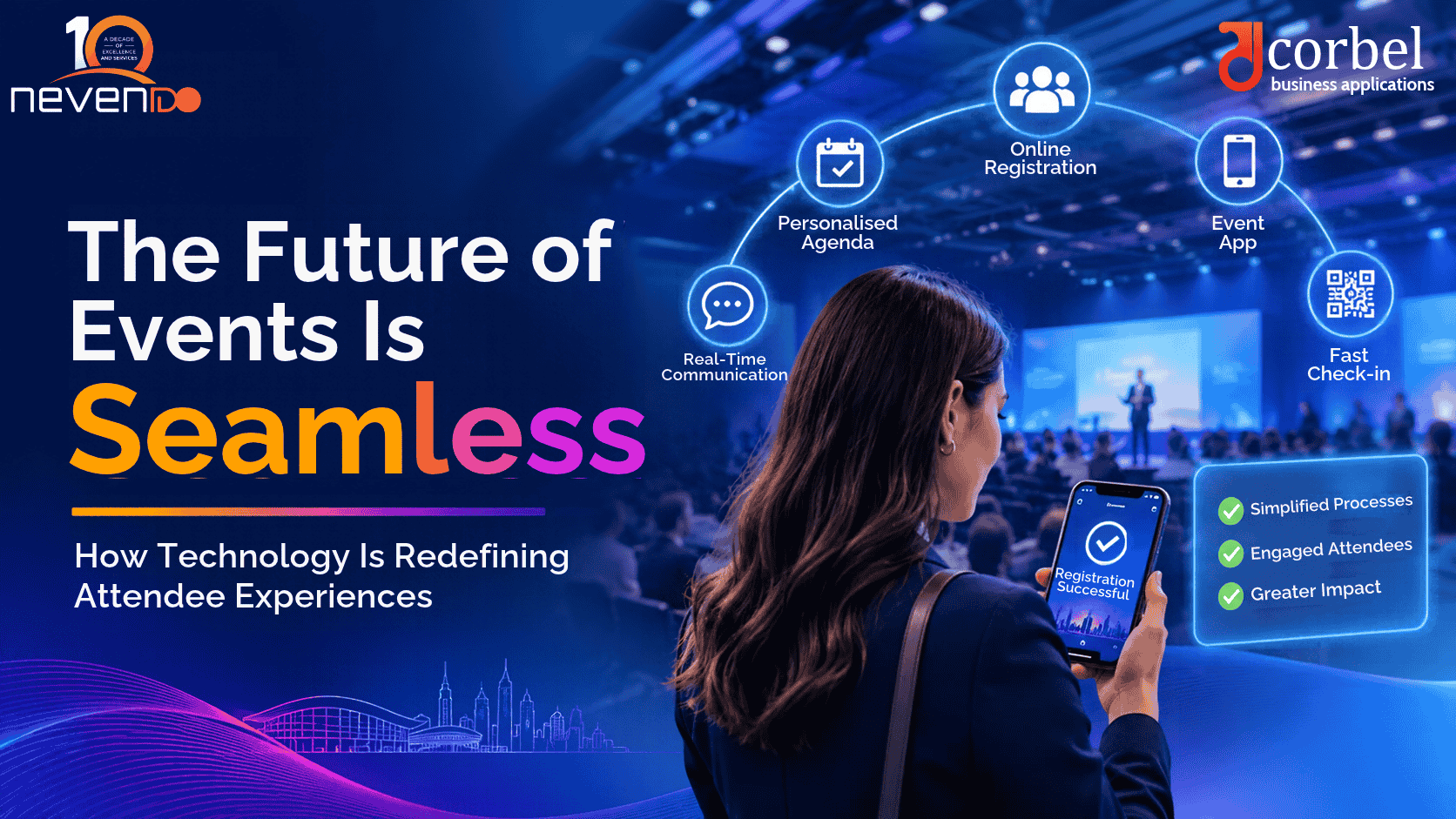
The expectations of event attendees are changing rapidly. In today's digital-first world, attending a conference, exhibition, corporate summit or industry event is no longer just about listening to speakers or visiting exhibition booths. Attendees expect a seamless, convenient and engaging experience from the moment they register until the event concludes.
Easy online registration, instant confirmations, hassle-free check-in, personalised schedules, real-time updates and meaningful networking opportunities have become essential components of successful events.
At the same time, event organisers are looking for smarter ways to manage registrations, payments, attendee information, communications and onsite operations without increasing their administrative workload.
This is where event technology is transforming the way events are planned, managed and experienced. By connecting different processes through integrated digital solutions, organisers can simplify operations while creating more engaging and memorable experiences for attendees.
From Traditional Event Management to Digital Experiences
Traditional event management often involves multiple manual processes, disconnected spreadsheets, repetitive administrative tasks and complex coordination between teams. Managing registrations, payments, attendee lists, communications and onsite activities separately can lead to inefficiencies, errors and unnecessary delays.
Modern event management software brings these processes together through connected digital platforms. Organisers can manage registrations, payments, attendee information, communications and event operations through a centralised system.
Automation helps reduce repetitive tasks, while real-time access to information enables teams to make quicker and more informed decisions. From managing thousands of registrations to coordinating onsite entry, digital solutions provide greater visibility and control over event operations.
The transition from traditional processes to digital event management is not simply about replacing paperwork. It is about building a more efficient, connected and scalable approach to organising events.
Technology Should Simplify, Not Complicate
The true value of event technology is not measured by the number of features it offers. It is measured by how effectively it solves problems and improves the event experience.
A digital registration platform should make signing up simple and convenient. A smart check-in system should minimise queues and reduce waiting time. An event mobile app should provide relevant information without overwhelming users.
Technology should eliminate friction at every stage of the attendee journey.
When digital solutions work seamlessly in the background, attendees can focus on what truly matters — learning, networking, exploring and engaging with the event.
For organisers, the right technology reduces administrative pressure, improves coordination and allows teams to focus on delivering a successful event rather than managing repetitive processes.
Creating a Connected Event Experience
Modern events increasingly rely on integrated digital solutions that connect different aspects of event management into a single, seamless experience.
Some of the key technologies transforming the event industry include:
Online Event Registration: Digital registration platforms simplify the sign-up process, allowing attendees to register conveniently, receive instant confirmations and access relevant event information.
Payment Management: Integrated payment solutions make it easier to manage registration fees, payment confirmations and transaction records.
Attendee Communication: Automated emails, notifications and event updates keep attendees informed about schedules, important announcements and event-related information.
QR-Based Event Check-In: QR codes enable faster attendee verification, helping organisers reduce queues and improve entry management.
Digital Badge Printing: Automated badge generation and onsite printing streamline attendee identification and make event entry more organised.
Event Mobile Applications: Mobile apps provide attendees with access to schedules, speakers, sponsors, exhibitors, venue information and important announcements from a single platform.
Networking and Engagement Tools: Digital engagement solutions help attendees connect with other participants, speakers, sponsors and exhibitors, creating opportunities for meaningful interactions.
Analytics and Reporting: Event data helps organisers understand registrations, attendance patterns, engagement and overall event performance.
When these technologies work together, organisers can create a consistent experience across every stage of the event — from registration and pre-event communication to onsite engagement and post-event reporting.
Personalisation Is Becoming an Essential Part of Events
Today's attendees expect experiences that are relevant to their interests and preferences. Generic communication and information overload can make it difficult for participants to navigate large conferences, exhibitions and multi-session events.
Technology enables organisers to deliver more personalised event experiences through customised schedules, relevant notifications, attendee categories and targeted communication.
For example, attendees can access information about sessions, speakers, exhibitors and activities that are relevant to their interests. Event applications can also help participants navigate venues, explore programmes and stay updated with schedule changes.
Personalisation improves convenience while encouraging greater participation and engagement. It also helps organisers create experiences that feel more relevant and valuable to different attendee groups.
As event technology continues to evolve, personalised attendee journeys will become an increasingly important part of event planning.
Smarter Operations, Better Experiences
Behind every successful event is a well-coordinated team managing registrations, entry, communications, logistics and attendee support.
Event technology helps streamline these operations by reducing manual work, improving access to information and enabling teams to manage activities more efficiently.
Connected systems allow organisers to access registration information, monitor attendance, manage check-in and coordinate different event activities with greater ease.
Automation also helps minimise repetitive administrative tasks, allowing event teams to allocate their time and resources more effectively.
With better access to event data, organisers can identify operational challenges, make informed decisions and respond quickly when circumstances change.
Technology does not replace the human element of event management. Instead, it empowers event teams to spend less time on repetitive administrative tasks and more time creating meaningful experiences.
The Future of Events Is About Experiences
Technology is becoming an essential part of event planning and management, but the ultimate goal remains the same: creating memorable experiences.
The future of events belongs to organisers who combine technology, creativity and human interaction to deliver experiences that are efficient, engaging and effortless.
From digital registration and automated communication to smart check-in, mobile applications and event analytics, technology is helping create a more connected event ecosystem.
At Nevendo, we believe technology should work seamlessly behind the scenes, allowing the event experience to take centre stage.
By bringing event management processes together through smarter digital solutions, organisers can simplify operations, improve attendee engagement and deliver events that leave a lasting impression.
The future of events is not simply digital. It is seamless.
Discover smarter event technology at www.nevendo.com.